Table of Contents
Modern industries rely on precision, speed, and safeguarding of vital materials, from diagnostics labs to food processing zones. Central to these processes is the humble specimen bag—often overlooked, yet indispensable in ensuring safety, compliance, and operational accuracy. What started as a simple tool for hospitals has become a backbone for workflows in areas ranging from forensic labs to environmental science. These bags play critical roles behind the scenes, allowing samples, evidence, or sensitive goods to move securely and efficiently.
Every day, specimen bags help professionals overcome logistical challenges, maintain high standards, and protect public health. Their application continues to expand as research, manufacturing, and transport sectors encounter new challenges in packaging and contamination control. The evolution of these bags—now available in various sizes, styles, and safety features—demonstrates how even the simplest products can have a transformative impact.
What Is a Specimen Bag?
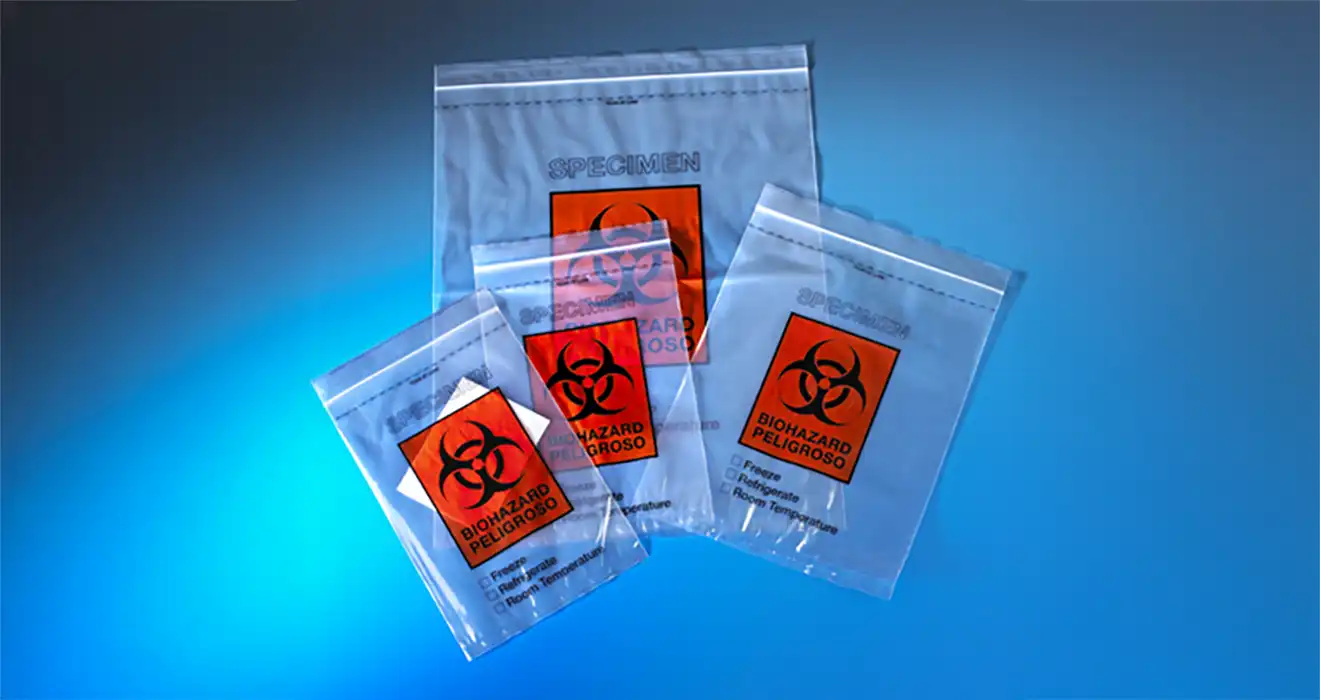
A specimen bag is engineered for the safe, compliant transfer and storage of a variety of items—chiefly biological, chemical, or industrial samples. Typically, these bags are manufactured with medical-grade, leak-resistant plastics, and are available in transparent designs to enable easy content verification. Most feature strong, sealable closures for tamper resistance and contamination prevention. Advanced options may include dedicated document sleeves, color-coded zippers, and multi-pocket layouts for more detailed handling requirements.
Customizations are possible to fit requirements ranging from clinical lab tests to industrial sample collection. Some facilities opt for tailored branding, specialized warning markings (such as biohazard icons), and regulatory labels for chain-of-custody documentation. These enhancements make specimen bags a preferred choice in diverse professional settings where security, accuracy, and regulatory compliance are paramount. Particularly in high-stakes environments, such as forensic or pharmaceutical operations, maintaining the integrity of contained materials is essential for reliable results.
Specimen Bag Uses in Different Industries
Medical and Healthcare
In hospitals, pathology labs, and clinics, specimen bags are vital for transporting blood, urine, tissue, and diagnostic samples. Their leak-proof, tamper-resistant properties maintain safety during handling while minimizing contamination risk. With growing at-home sample collection and mobile diagnostics, reliable specimen packaging remains critical for biosafety, facilitating timely analysis and traceability.
Pharmaceuticals
Drug development and clinical trials depend on specimen bags to move samples between trial participants, labs, and manufacturing units. Organizing chemical or drug batches for analysis in sealed bags ensures regulatory compliance and preserves sample integrity. Proper packaging supports quality assurance and meets the strict protocols imposed by GMP and ISO standards.
Environmental Science and Ecology
Worker teams rely on specimen bags to collect soil, water, plant, or air samples for environmental monitoring and ecosystem studies. These bags are key to analyzing pollutants, tracking contamination, and performing regulatory checks in field studies. Their secure closure and transparency simplify transport and cataloging outside controlled laboratory settings.
Forensic Science
Evidence preservation is central to forensic labs. Specimen bags safely hold DNA, trace fibers, hair, and biological residues, protecting them from tampering during transfer from crime scenes to analysis sites. Enhanced labeling and tamper-evident seals support legal requirements for chain-of-custody and minimize errors in identification.
Food Safety and Agriculture
Quality control officers and inspectors utilize specimen bags to collect and transport food samples for bacterial or chemical analysis, assuring compliance with safety regulations. In agriculture, specimen bags enable plant researchers to transport crop samples for yield and contamination studies, supporting safe production and sustainable farming practices.
Industrial and Manufacturing
Supply chains and production facilities depend on specimen bags to move samples of chemicals, raw materials, and finished products for process monitoring and metallurgical testing. Their robust design facilitates safe interdepartmental transfers while preventing spillage or mix-ups—a key requirement for certified labs and quality assurance teams.
Transport and Logistics
Secure sample movement across supply chains is vital, especially when rapid transit is needed. Specimen bags guard samples from environmental damage and minimize leakage during long-distance transport between manufacturing plants, food processing units, or diagnostic centers. Labeling and documentation sleeves streamline identification and tracking—critical in high-volume operations.
Veterinary and Animal Care
Veterinarians and animal labs use specimen bags for the safe collection and delivery of animal tissue and biological samples, supporting diagnostic, research, and treatment aims. Secure packaging maintains biosafety between collection points and analysis labs, reducing cross-contamination risk while improving sample turnaround efficiency.
Conclusion
The versatile, secure, and regulation-compliant nature of specimen bags has made them indispensable in a wide array of professions. Their quiet contribution extends far past the healthcare sector—streamlining diagnostics, enhancing quality control, and ensuring the integrity of everything from food samples to forensic evidence. The best specimen bags deliver leak resistance, easy identification, and strong documentation support, helping industries maintain operational excellence and trust with every transfer.
For those seeking specimen bags that meet strict compliance and reliability standards, explore trusted categories at: https://evoindustries.in/product-category/specimen-bags/. The right specimen bag supports not only safety and efficiency, but also the peace of mind that comes from knowing every sample is protected and traceable—whatever the application or industry need.