Table of Contents
The first encounter many people have with a healthcare facility is not the doctor’s room but the environment itself—the corridors, treatment bays, and disposal stations quietly working in the background. During a routine visit, a young medical intern once watched a nurse carefully place contaminated dressings into a bright red disposal bag. Curious, the intern asked why that single step felt so deliberate. The nurse explained that biohazard waste is not just another category of hospital waste. It carries risks that can harm the people who handle it, the visitors who walk through the facility, and the community around it.
That moment changed the intern’s understanding of healthcare. What looked like a simple red bag was, in reality, a safety barrier between biological contaminants and the world outside. It protected sanitation teams, laboratory workers, waste handlers, and anyone who might come in contact with infectious material. Over time, the intern came to realize that the discipline behind red bag use reflects the responsibility healthcare providers carry every day. These bags are small components of a much larger safety culture, yet they shape how medical institutions safeguard the environment and public health.
Understanding What Biohazard Red Bags Are
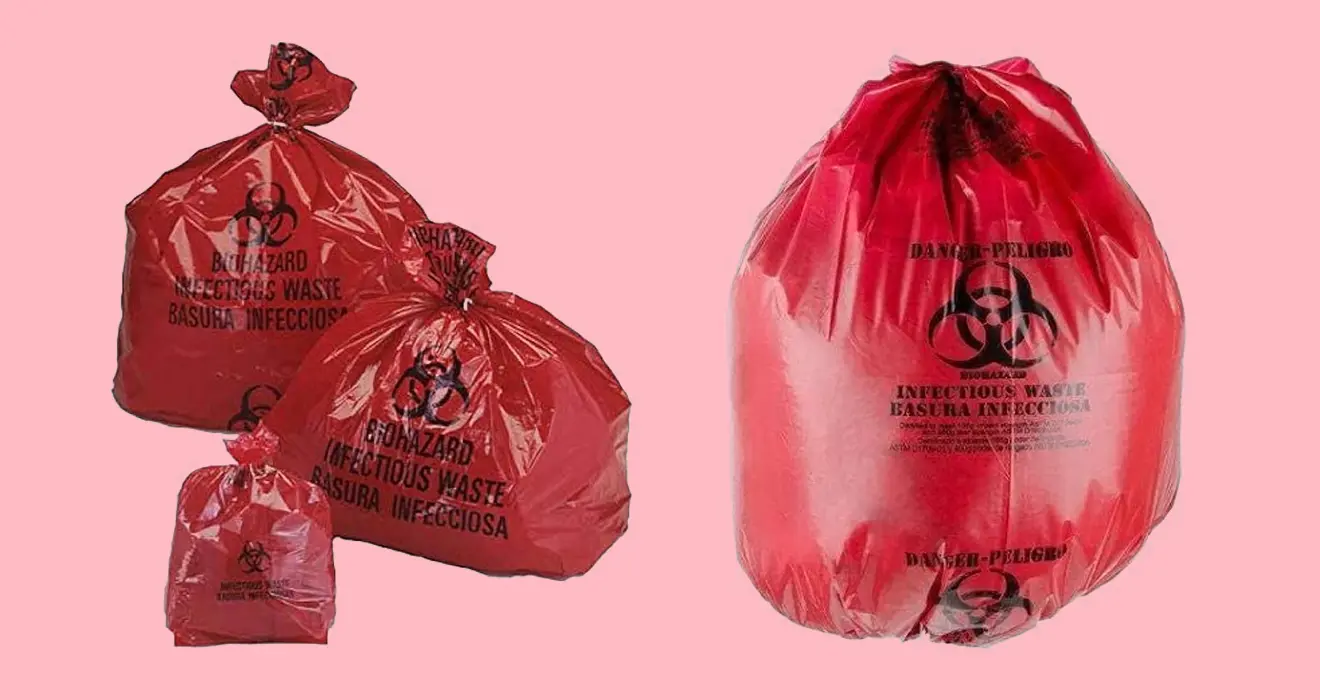
Red bags used in healthcare settings are specialized disposal bags designed for biological waste that may carry infectious properties. Their material is thicker and more resilient than standard waste bags, allowing them to withstand handling, movement, and transport without tearing. The red colour serves a purpose—it signals risk. This universal colour coding helps waste handlers recognize hazardous material instantly, even in busy environments such as emergency departments, surgical units, or diagnostic labs.
These bags are heat-resistant, leak-resistant, and manufactured to comply with biomedical waste norms. Because they are intended to contain materials capable of spreading infection through contact, the design focuses on sealing capability and durability. For example, a used dressing from a wound, a soaked cotton swab from a lab test, or a blood-contaminated glove must all go into a red bag to reduce exposure risk.
Protective Packaging Materials
The strength of a packaging system depends heavily on the materials used. Every material brings a unique benefit, and choosing the correct one determines how reliably a medicine will endure its journey.
Plastics
Plastic remains one of the most adaptable materials in pharmaceutical packaging. Its ability to take shape, resist moisture, and stay lightweight makes it suitable for blister cavities, bottles, caps, test components, and flexible pouches. In some cases, plastics help create sterile barriers or controlled environments needed for sensitive items.
Paper and cardboard
Although not suited for direct contact with most medicines, paper-based materials serve as trusted secondary and tertiary layers. They offer rigidity, cushioning, and ample space for important information. Their recyclability is another plus, especially when manufacturers prefer sustainable packaging pathways.
Aluminium
Aluminium plays a key role in products that must stay shielded from light, oxygen, or humidity. Foils, laminates, and seals made from aluminium help keep sensitive medicines stable over time. Its excellent barrier properties make it one of the most dependable materials for blister backing and pouch sealing.
Glass
Glass has long been used for pharmaceutical storage, especially for injectables and formulations requiring a completely neutral container. It does not react with contents, and it maintains a sterile environment when sealed correctly. For certain medicines, glass remains the safest choice due to its chemical stability.
Temperature-focused materials
For items that depend on cold-chain conditions, specialised temperature-maintaining materials become essential. Insulated liners, cooling packs, and protective foams help preserve the required temperature range until the medicine reaches its destination. These materials ensure that thermo-sensitive items stay potent despite external temperature fluctuations.
Each material has its own place, but the key lies in choosing the right material for the right product. Protective packaging is strategic—its purpose extends far beyond appearance.
Why Healthcare Facilities Depend on Red Bags
Biohazard waste management is not merely a compliance practice; it is central to infection control. Red bags help isolate infectious material from general waste streams, reducing the chance of accidental contact. They also create a predictable system for medical teams. When a healthcare professional sees a red bag, they already know what type of waste it contains and how it needs to be handled.
For example, in a pathology lab, technicians often dispose of contaminated pipette tips or used swabs immediately into a red bag to prevent cross-contamination. In operating rooms, nursing staff deposit blood-soaked gauze into the same type of bag to protect cleaning teams. These small routines ensure that infectious waste does not mix with general waste, maintaining a safe environment for everyone inside and outside the facility.
What Goes Inside Red Bags
Red bags are meant for solid biological waste that poses a risk due to contamination. This typically includes materials that have come into contact with human bodily fluids. Items that commonly belong in red bags include:
- Used gauze, cotton rolls, and dressings
- Contaminated gloves and protective gear
- Blood-contaminated disposables
- Specimen swabs after clinical sampling
- Diagnostic consumables that have touched biological matter
An example from day-to-day practice: A phlebotomist collecting blood samples may immediately dispose of the cotton ball used post-venepuncture into a red bag. This ensures that anything containing traces of blood does not enter regular waste streams.
Not everything used in medical settings belongs in a red bag. Sharp objects, pharmaceuticals, and general non-infectious waste have separate disposal categories. Keeping clear boundaries between these waste streams supports correct disposal.
Regulatory Guidelines That Shape Red Bag Usage
Red bag handling is guided by biomedical waste rules that outline how waste must be segregated, stored, transported, and disposed of. These rules ensure that biohazard waste does not put people or the environment at risk. Healthcare workers are expected to follow proper segregation practices from the moment waste is generated.
Regulations typically address the following:
- Identification of biohazard waste using colour codes
- Use of sturdy, leak-resistant bags
- Correct labeling and secure closure
- Timely transportation to treatment facilities
- Training of staff involved in waste handling
For instance, a diagnostic lab storing red bags for too long before disposal may violate recommended holding times. Proper adherence not only protects staff but also prevents environmental contamination during transport.
Red bag handling is guided by biomedical waste rules that outline how waste must be segregated, stored, transported, and disposed of. These rules ensure that biohazard waste does not put people or the environment at risk. Healthcare workers are expected to follow proper segregation practices from the moment waste is generated.
Regulations typically address the following:
- Identification of biohazard waste using colour codes
- Use of sturdy, leak-resistant bags
- Correct labeling and secure closure
- Timely transportation to treatment facilities
- Training of staff involved in waste handling
For instance, a diagnostic lab storing red bags for too long before disposal may violate recommended holding times. Proper adherence not only protects staff but also prevents environmental contamination during transport.
Safe Handling Practices for Red Bags
Effectively using red bags depends on consistent handling practices. Bags should be placed close to points where contaminated waste is generated, reducing the risk of spills during movement. Healthcare workers must seal bags properly before transport, ensuring nothing escapes during internal collection.
Training plays a major role. When a new laboratory technician joins a team, one of the first lessons often includes how to recognize different waste categories and how to handle each one safely. For example, double-bagging might be recommended when dealing with heavily saturated materials. Similarly, staff must avoid overfilling bags because stretching weakens the material and increases the likelihood of tearing.
Common Challenges in Managing Red Bag Waste
While red bags are essential, their use does come with challenges. Misclassification is one of the most frequent issues. Sometimes general waste is mistakenly dropped into a red bag, increasing disposal volume and treatment costs. The opposite also happens—infectious waste may be placed in regular bins due to oversight or lack of training.
Another challenge lies in maintaining consistent practices across shifts, especially in high-stress units such as emergency departments. A new worker may not immediately recognize colour codes or procedures. Occasional errors in sealing bags, leaving them partly open, or storing them in unsuitable areas also create risks.
These challenges highlight why healthcare settings rely on routine training, clear labeling, and frequent audits to ensure red bag usage remains consistent and safe.
Conclusion
Biohazard waste management relies heavily on simple yet disciplined systems that protect individuals, healthcare teams, waste handlers, and the environment. Red bags may not appear significant at first glance, but they are pivotal in ensuring that infectious waste is contained from the moment it is generated to the moment it is treated.
When correctly used, these bags support infection control, reduce occupational hazards, and help institutions maintain safe environments. Consider the daily workflow inside a busy diagnostic centre: from collecting samples to disposing of consumables used during procedures, red bags ensure that contaminated material remains isolated. Without them, healthcare environments would face unnecessary risks, ranging from accidental injuries to environmental contamination.
Consistency in usage is just as important as the bags themselves. Facilities that invest in clear procedures, proper training, and compliance-ready supplies experience fewer safety incidents. The ongoing evolution of waste management standards further emphasizes the importance of reliable biohazard disposal systems.
For those looking to source dependable, compliant red biohazard bags, you may explore options such as the one available here:
https://evoindustries.in/product/biohazard-bag-red/
Selecting a high-quality red bag ensures durability, safety, and adherence to biomedical waste protocols—elements that contribute to a safer healthcare ecosystem.