Table of Contents
When people pick up a medicine strip, tear open a gauze pouch, or unseal a diagnostic kit, they are rarely aware of how many silent decisions went into that experience. Most individuals simply notice whether the pack opens smoothly or if the instructions are easy to find. Yet behind that small moment lies a carefully shaped design that affects trust, comfort, and usability. Pharmaceutical companies understand that patients do not interact with packaging the same way they interact with ordinary products. Medicines often enter a patient’s life during moments of anxiety, urgency, or confusion. A person may not feel well, may be managing several prescriptions, or may be trying a treatment for the first time.
To support these real-world situations, the packaging must guide the user intuitively. It must be simple enough for routine use, but dependable enough for medical handling. Over time, professionals learned that thoughtful packaging does more than hold a tablet or a vial—it influences perception, behavior, and confidence. That principle is at the heart of understanding how packaging psychology works in pharma, where design choices quietly shape how patients respond to their treatment journey.
Why Patient Behavior Matters in Pharmaceutical Packaging
Patient behavior plays a central role in how a pharmaceutical product is used, stored, and understood. People rarely approach medicines with a designer’s clarity; instead, they react based on how the packaging makes them feel in the moment. For example, if a blister pack is confusing, a patient may unintentionally skip doses. If a label layout is cluttered or hard to read, the patient may misinterpret essential directions. This is why pharma packaging must be created around predictable human tendencies.
The intent is not to influence choices but to make medical routines easier. A person managing long-term medication may appreciate consistent colors or a simple opening system because it reduces mental effort. Someone using an inhaler for the first time may feel more assured if the instructions are placed exactly where they expect them. When packaging aligns with natural behavior, it reduces hesitation and supports better adherence without overwhelming the user.
How Packaging Psychology Shapes Visual Perception
Visual design is one of the strongest elements in understanding how packaging psychology works in pharma because people often make judgments instantly based on what they see first. Colors, spacing, and hierarchy help people interpret information even before they consciously read it. For example, cool tones often make dosage instructions appear calmer and easier to follow, while clean layouts help new users locate critical warnings without searching.
Visual structure also plays a role in helping patients differentiate between medicines taken at different times of the day. A simple shift in color shade or symbol placement can guide the user subconsciously. The aim is to reduce the chances of confusion by creating a visual path the eye naturally follows. By supporting clarity and reducing mental load, visual cues help patients feel in control of their medication routine.
Packaging Formats and Their Behavioral Impact
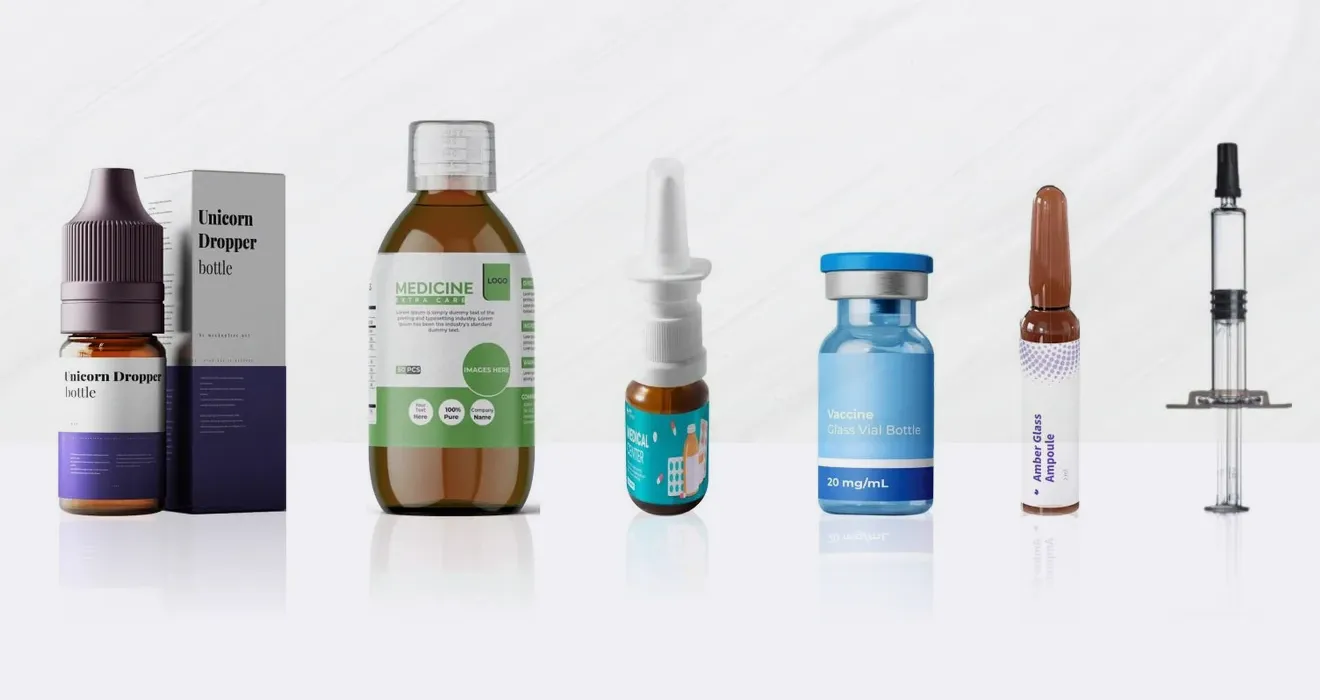
Different pharmaceutical packaging formats trigger different user responses. A single-dose pack may give the patient a sense of certainty because each dose is individually protected. A resealable pouch may help the user feel confident about sterility. A transparent compartment can help patients check contents easily, reducing uncertainty during stressful moments.
Even the sound and feel of opening a pack influence user comfort. A secure click on closure reassures the user that the product is protected, while a smooth tear line helps them open sterile materials confidently. In situations like first-aid kits or emergency supplies, intuitive compartments help users act quickly without pausing to think. These small details show how deeply behavior is influenced by formats, even when the patient is unaware of it.
Building Trust Through Packaging Psychology
Trust is an essential part of any pharmaceutical experience, and packaging plays a direct role in shaping that trust. A well-structured design signals care, competency, and reliability. When the pack feels durable, instructions are concise, and tamper-evidence features are clear, the patient develops confidence in the product inside.
Trust also grows when packaging maintains consistency. For example, a patient may rely on sterile swabs, gauze, pipettes, or diagnostic components during routine medical tasks. Familiar design language across these items helps users feel grounded. The reassurance comes not from grand gestures, but from steady and thoughtful design choices that respect the user’s needs. Over time, this consistent experience becomes part of the product’s credibility.
Conclusion: The Human Side of Pharma Packaging
Understanding how packaging psychology works in pharma means recognizing that medicines are rarely used in ideal conditions. Patients may be stressed, unwell, or hurried, and packaging becomes the bridge between them and the treatment they need. When the design respects human behavior, it reduces friction. It reassures the user, simplifies the process, and supports safer handling.
Thoughtful pharmaceutical packaging is not created to impress but to guide. It provides structure when the user feels unsure. It reduces mistakes when instructions must be absorbed quickly. It supports routines that must be repeated day after day. At its core, packaging psychology is about removing barriers so that the medicine can do its work without interruption.
Modern healthcare relies on precision, reliability, and clarity. Packaging becomes a part of that ecosystem when it communicates information cleanly, protects contents effectively, and offers a predictable experience every time. The patient may never notice the techniques involved, yet they benefit from them with every interaction.
Those who work in pharma packaging—whether designing specimen bags, preparing diagnostic kits, sealing medical supplies, or organizing components—carry the responsibility of shaping these subtle but critical interactions. When done well, it strengthens trust, supports safety, and elevates the overall treatment experience.
If you wish to explore dependable medical packaging solutions, you can visit: https://evoindustries.in/