Table of Contents
It was a quiet evening when Rohan and his family were setting out for a short road trip. Just a few kilometers from home, a sudden brake caused a small accident, leaving his wife with a deep cut on her arm. In that moment, panic set in — no hospitals nearby, no pharmacies open. The only thing that could have helped was something he didn’t think much about — a first aid kit.
This simple incident became a turning point. He realized that first aid isn’t only for workplaces or schools; it’s something every household and traveler should have within reach. Accidents don’t ask for the right time. Sometimes, being prepared for a few seconds can make a difference that lasts a lifetime.
Stories like Rohan’s are more common than we imagine. That’s why understanding the Importance Of Owning A First Aid Kit goes far beyond compliance — it’s about readiness, awareness, and care for the people around us.
What Is a First Aid Kit?
A first aid kit is a carefully organized collection of essential medical items used to provide immediate care during minor injuries or emergencies. Its purpose is simple yet crucial — to help manage small wounds, cuts, burns, or bruises before professional medical attention is available.
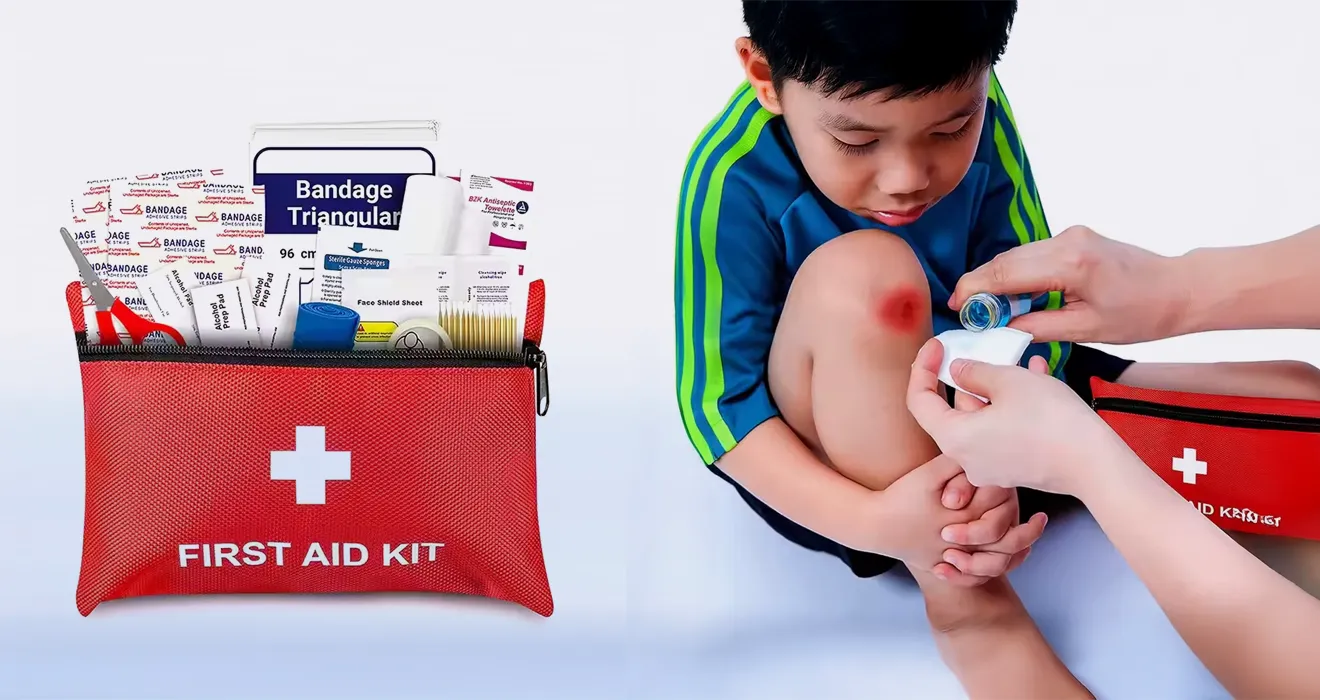
Typically, a standard first aid kit includes adhesive bandages, antiseptic wipes, cotton swabs, gauze pads, adhesive tape, safety pins, scissors, gloves, and pain relief ointments. Some versions also include tweezers, burn creams, or medications for headaches and allergies. The design and components of each kit may differ depending on where it is used — a workplace, home, vehicle, or industrial site.
The main goal of a first aid kit is to ensure quick response. A few minutes can significantly affect how an injury heals or worsens. With supplies stored in one compact, clearly labeled container, first aid kits provide peace of mind and efficiency when every second matters.
From construction sites to family vacations, a well-stocked kit represents preparedness. It helps bridge the gap between the time of injury and the time professional care is received. Moreover, for industries such as healthcare, laboratories, and logistics, a first aid kit is not merely a safety tool — it is a mandatory component of workplace compliance and employee well-being.
Understanding what goes inside, how to maintain it, and why it is necessary allows individuals and businesses to act confidently during emergencies. The Importance Of Owning A First Aid Kit lies not only in having one but in keeping it updated, accessible, and ready for action at any given moment.
Why It Is Important To Own A First Aid Kit
- Preparation for the Unexpected
Emergencies never arrive with a warning. Whether at home, on the road, or at work, injuries can happen in the blink of an eye. Owning a first aid kit ensures that you are not caught off guard. When an incident occurs, knowing that medical essentials are within arm’s reach provides the calm needed to act effectively.
A well-prepared first aid kit can handle anything from a scraped knee to a mild burn or allergic reaction. Having one close by reduces panic and promotes clarity — both of which are critical during those first few moments after an accident.
- Quick Response Saves Time and Complications
The first few minutes after an injury are often the most important. A cut left unattended or a burn not cooled quickly can lead to more serious problems later. The Importance Of Owning A First Aid Kit becomes clear in these moments — it allows immediate treatment before complications arise.
For example, imagine spilling a hot liquid on your hand while cooking. With a first aid kit, you can instantly access burn cream and sterile dressings. That prompt care prevents infection and reduces long-term discomfort. Without one, those minutes spent searching for supplies can make healing longer and more painful.
- Preventing Infections and Promoting Healing
Even the smallest wounds can become infected if not cleaned and covered properly. Open cuts attract dirt and bacteria, leading to redness, swelling, and pain. With antiseptic wipes and sterile bandages available in a first aid kit, you can prevent such infections effectively.
The kit acts as a first line of defense — cleaning, covering, and protecting wounds until professional treatment is available. This small yet timely step can make a world of difference in recovery speed and comfort.
- Essential for Homes, Workplaces, and Travel
Every environment carries a different level of risk. At home, children may fall while playing; in workplaces, employees might face minor injuries from equipment or tools; during travel, you might encounter unexpected health concerns. In all these cases, a first aid kit becomes an indispensable safety companion.
For workplaces, especially in sectors like laboratories, manufacturing, and logistics, safety standards often require the presence of first aid supplies. Beyond compliance, it reflects a culture of care and responsibility towards employees and clients alike.
When traveling, a compact first aid kit ensures you are prepared even in remote locations where immediate medical facilities aren’t available. It turns an unexpected mishap into a manageable situation.
- Reduces Panic and Builds Confidence
Emergencies can be emotionally overwhelming. Having the right tools at hand makes you more confident and composed. Knowing that you can handle minor medical situations not only reduces panic but also ensures those around you feel safe.
For parents, especially, the Importance Of Owning A First Aid Kit extends beyond convenience — it’s about being a source of calm during moments of uncertainty. That preparedness builds a sense of responsibility and empowerment within families and teams alike.
- Keeps Essential Medicines Within Reach
A first aid kit doesn’t just contain bandages and antiseptics; it can also hold commonly used medications such as pain relievers, antihistamines, or digestive tablets. Keeping such items organized and readily available prevents delays in addressing discomfort or allergic reactions.
Moreover, keeping a few personal prescriptions or travel medicines in your kit helps avoid missed doses during emergencies or long journeys. The ability to respond promptly adds to both convenience and safety.
- A Sign of Safety Awareness and Responsibility
Owning a first aid kit also reflects an individual or organization’s commitment to safety. It demonstrates preparedness, responsibility, and awareness — values that are highly respected in every professional environment.
For organizations dealing with medical or laboratory supplies, maintaining safety kits shows adherence to industry standards like ISO 9001:2015 and GMP. It’s not just about following rules but about creating a culture of trust and care.
- Provides Peace of Mind
Perhaps one of the most overlooked yet valuable aspects of having a first aid kit is the sense of assurance it offers. Knowing that you can respond effectively in an emergency provides emotional stability and mental ease. Whether at home or work, peace of mind is a priceless form of safety.
A simple, compact kit often brings that comfort — the quiet confidence that you’re ready for the unexpected.
Conclusion
The Importance Of Owning A First Aid Kit cannot be overstated. It’s not just a box filled with supplies; it’s a symbol of readiness, care, and responsibility. In a world where uncertainty is constant, being prepared is no longer optional — it’s essential.
Whether it’s for your home, your workplace, or your travels, owning a properly stocked first aid kit ensures that help is never far away. From treating a small cut to managing sudden allergic reactions, these small actions prevent complications, save time, and protect lives.
The true value lies not in how often it’s used but in knowing that when the time comes, you’re ready. Being proactive today can make a life-changing difference tomorrow.
To stay prepared on the go, explore the First Aid Kit for Travel — designed to ensure safety wherever life takes you.