Table of Contents
Even the smallest injury can escalate if not addressed promptly and that’s where first aid kit items quietly step in.
During a recent trip, someone shared how a basic first aid kit for travel helped treat a minor burn while trekking through a remote area. With no clinic nearby, the antiseptic and gauze from that kit prevented complications and made the rest of the journey possible. It’s a reminder that these kits are not just stored tools they’re first responders in disguise. Their design has evolved over time to support real-life moments, from home care to outdoor use, and from office emergencies to rural challenges where access to medical help is delayed.
Having the right first aid kit items within reach is no longer a precaution it’s a necessity. In many places, it’s the only immediate option when injuries strike, whether during travel, at work, or in daily routines.
Understanding how to choose and maintain the right kit ensures preparedness, safety, and peace of mind across different environments. For those planning ahead, here’s one option worth considering: https://evoindustries.in/product/first-aid-kit-for-travel/
Let’s explore what goes into building a truly reliable first aid kit—because readiness begins with the basics.
What is a First Aid Kit?
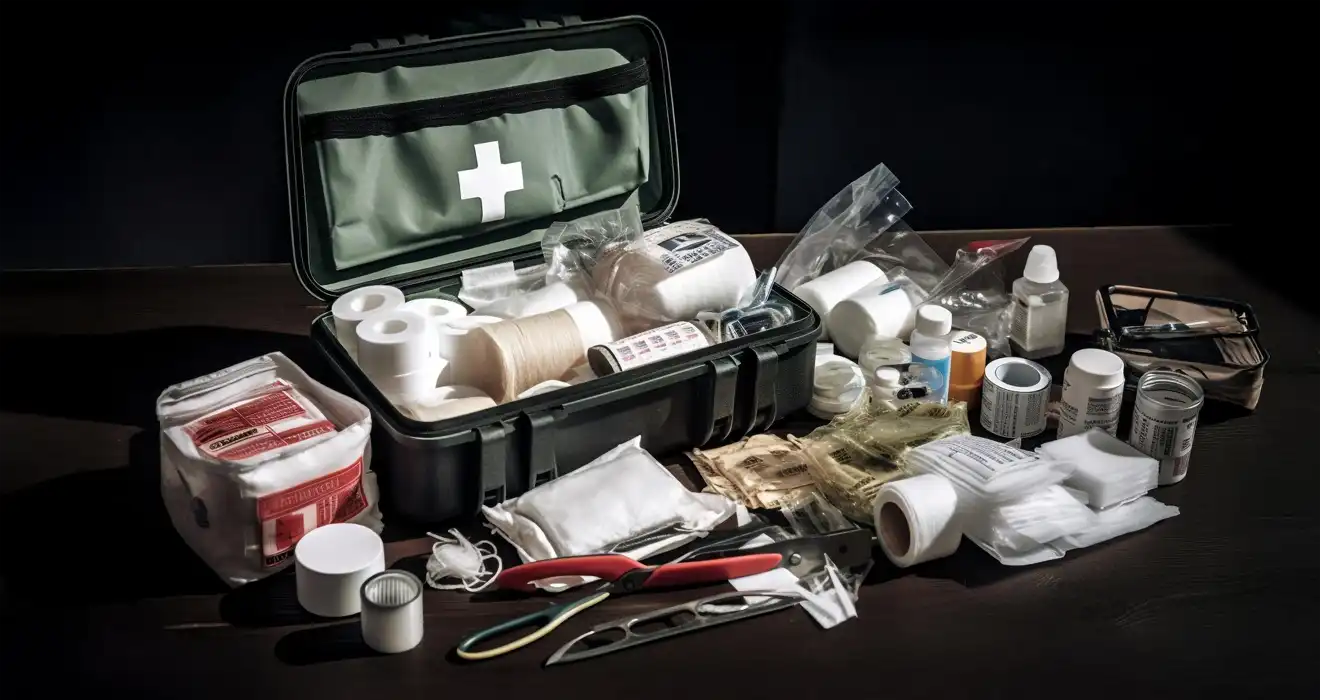
A first aid kit is a compact collection of medical supplies designed to handle minor injuries and common health emergencies. Often stored at home, in vehicles, schools, or workplaces, it ensures immediate care when professional assistance is delayed. A basic first aid kit generally includes adhesive bandages, gauze rolls, antiseptic wipes, scissors, and gloves—tools intended to manage cuts, scrapes, burns, or sprains quickly and cleanly.
In settings where access to clinics is limited, such as remote areas or crowded urban spaces, an emergency medical kit acts as a temporary solution. It helps control bleeding, reduce infection risk, and stabilize minor injuries before medical professionals take over. Some versions also contain items like cold packs or simple medications, tailored for longer travel or field conditions.
In everyday life, accidents happen without warning. Having a properly stocked kit on hand ensures that situations like a kitchen burn or a playground fall can be addressed immediately. This not only brings peace of mind but also prevents minor issues from escalating.
Whether kept in a home drawer or a vehicle glove box, a first aid kit supports safety by enabling prompt, appropriate care in critical moments. Its role is not just preventive—it’s practical, accessible, and essential in protecting health when timing matters most.
What are the must-have items to stock in your first aid kit?
Having a well-equipped first aid kit can make everyday incidents easier to manage. Whether at home, work, or during travel, these essentials provide timely support during minor injuries and health issues.
- Adhesive Bandages
Protect small cuts, scrapes, or blisters with sterile adhesive bandages. These prevent dirt and bacteria from entering wounds and help maintain a clean healing environment. Choose a variety of sizes to suit different needs. - Antiseptic Wipes or Solutions
Quick wound cleaning is vital when soap and water aren’t available. Antiseptic wipes or solutions help disinfect the skin and lower the risk of infection after minor injuries such as abrasions or shallow cuts. - Sterile Gauze Pads
Gauze pads cover larger wounds and absorb fluids without sticking to the skin. They offer breathable protection and can cushion sensitive injuries while supporting the healing process. - Medical Tape
Use medical-grade tape to secure gauze or bandages in place. It should hold firmly without irritating the skin or restricting movement, ensuring the dressing stays intact through basic activity. - Tweezers
Precision tweezers are important for removing splinters, small glass pieces, or debris from wounds. Always clean them before and after use to prevent contamination. - Scissors
A reliable pair of scissors is essential for cutting bandages, medical tape, or clothing during emergencies. They add versatility to your kit and improve response time during first aid situations. - Pain Relievers
Keep over-the-counter pain relief medications like paracetamol or ibuprofen to manage minor aches, headaches, or fever. They can offer comfort and reduce inflammation when needed. - Digital Thermometer
A thermometer helps detect fever quickly and accurately. It’s essential for monitoring body temperature, especially in children or during viral infections where symptoms escalate fast. - Hydrocortisone Cream
For mild skin irritations, rashes, or insect bites, hydrocortisone cream provides relief by reducing itchiness and redness. It’s suitable for short-term use on minor skin flare-ups. - Instant Cold Packs
Cold packs reduce swelling from sprains, strains, or bumps. When activated, they deliver immediate cooling and should be used with a cloth layer to protect the skin. - First Aid Manual or Guide
Including a simple instruction booklet ensures anyone can respond effectively to injuries, even without medical training. It builds confidence in handling emergency situations calmly.
These first aid kit essentials support personal safety by preparing you for unexpected health concerns. With proper items on hand, response time improves, and outcomes become more manageable in common emergencies.
How can you enhance your first aid kit with extra items?
- Disposable Gloves
Essential for maintaining hygiene while treating wounds, especially when contact with bodily fluids is likely. Non-latex options reduce allergy risk and are suitable for varied environments, from homes to roadside emergencies. - Burn Gel
Helps manage minor burns by cooling the skin and easing discomfort. Including it in your kit allows immediate action during kitchen accidents or minor fire-related injuries. - Elastic Bandages
Provide flexible support for sprains and strains. They help reduce swelling and stabilize joints until proper medical care is available, making them a smart addition for those in active or outdoor settings. - Antihistamines
Useful for allergic reactions, whether triggered by insect bites or environmental factors. These tablets bring quick relief from itching, rashes, or mild swelling, especially when medical help is not nearby. - Eye Wash Solution
Cleanses eyes from irritants like dust, debris, or chemical exposure. A dedicated eye solution ensures safer flushing than plain water, protecting vision during unexpected exposure. - CPR Face Shield
Acts as a barrier during resuscitation, protecting both the responder and the patient. It’s a compact item that prepares your kit for rare but critical cardiac emergencies. - Finger Splints
Help immobilize minor fractures or dislocations in fingers until medical evaluation. Lightweight and easy to use, they prevent further injury during transport or delay in care. - Antibiotic Ointment
Supports infection prevention when applied to cuts or scrapes. It aids the healing process by keeping wounds clean and reducing bacterial growth. - Sterile Cotton Swabs
Useful for applying ointments or cleaning small wounds. Their controlled application reduces contamination risk and helps maintain hygiene while treating sensitive areas. - Instant Heat Packs
Provide warmth to stiff muscles or cold-affected areas. They offer relief in low temperatures or after extended periods of inactivity, adding comfort during long journeys or night shifts.
Each of these items expands the capability of a standard first aid kit. By aligning it with likely risks or daily routines, you improve your readiness for emergencies—whether at home, on the road, or at work.
What are the practical uses of first aid kits in daily life?
- Managing Minor Cuts and Scrapes
First aid kits help treat small injuries promptly. Whether it’s a child’s playground accident or a slip at home, basic items like gauze, antiseptic, and tape control bleeding and prevent infection before professional help is available. - Responding to Kitchen Burns
Burns from stoves or hot utensils are common in homes. Applying a burn ointment or covering the area with a sterile pad from the kit helps reduce pain and avoid further skin damage. - Treating Insect Bites and Stings
First aid kits are useful for allergic reactions or irritation caused by insect bites. Antiseptic creams or antihistamines provide quick relief and minimize swelling, especially in outdoor or rural settings. - Controlling Bleeding During Road Accidents
In the case of minor road accidents, a well-stocked first aid kit offers immediate support. Bandages, gloves, and sterile pads help manage wounds until medical attention arrives, reducing risks of infection. - Handling Muscle Strain or Cramps
Pain relievers or cold packs from the kit can provide temporary relief from muscle stiffness or strain, often experienced during long work shifts or physical exertion. - Supporting Office Emergencies
First aid kits in offices help with sudden headaches, paper cuts, or minor slips. Having instant access to painkillers, adhesive strips, or antiseptic wipes helps maintain well-being during work hours. - Dealing with Eye Irritation
Exposure to dust or foreign particles can cause eye discomfort. A sterile eye wash in the kit helps flush out irritants safely, especially in environments like construction sites or workshops. - Stabilizing Minor Fractures or Sprains
Elastic bandages or finger splints in the kit help support injured limbs temporarily. They assist in stabilizing the area and reducing movement until further treatment is available. - Addressing Allergic Reactions Quickly
Mild allergies can arise unexpectedly. First aid kits containing antihistamines allow for fast action, especially when environmental triggers or unknown allergens are involved.
Offering Immediate Comfort in Remote Areas
In places where help is not instantly accessible, a first aid kit acts as the first line of support. From managing blisters during a trek to cleaning wounds in remote settings, it plays a vital role in reducing health risks.
Why do first aid kits matter in every setting?
- Enable immediate care in unexpected injuries
First aid kits offer fast solutions when injuries happen unexpectedly. Whether it’s a minor cut, a sprain, or a sudden burn, the ability to act quickly with the right basic medical supplies often prevents conditions from worsening. - Support injury management during travel or outdoor activity
While commuting or attending events, access to a first aid kit helps manage falls, insect bites, or mild bleeding. These kits provide quick relief and prevent complications until full medical support is available. - Bridge the gap in remote or low-access areas
In places where clinics or hospitals are far, first response tools become essential. Kits serve as the first line of defense, especially in regions with limited access to immediate care. - Reduce risks of infection and complications
Using clean gauze, antiseptic wipes, and bandages from a kit reduces the risk of infection after injuries. These steps are critical in maintaining hygiene during emergency care and stabilizing the condition. - Improve response during public incidents and accidents
From roadside accidents to crowded spaces, first aid kits ensure that basic medical support is not delayed. Their presence helps bystanders or officials respond with the right tools on hand. - Boost confidence in non-medical environments
In schools, offices, and households, having a stocked kit encourages responsible action. It allows non-medical individuals to handle minor emergencies with confidence, using easy-to-understand tools and instructions. - Promote safety preparedness as a daily norm
Keeping first aid kits accessible builds a culture of preparedness. Their presence acts as a safety net, reminding people to take health seriously and be ready for common emergencies.
What are the advantages of keeping a first aid kit handy?
- Supports Immediate Injury Management
A well-stocked first aid kit ensures that minor injuries can be treated without delay. Whether it’s a cut, bruise, or burn, timely intervention reduces complications and offers quick relief, especially in places where medical help may not be immediately available. - Helps Prevent Infection
Using sterile items such as gauze pads, antiseptic wipes, and bandages helps clean wounds properly and prevent bacterial contamination. This lowers the chance of infections and supports faster healing in both indoor and outdoor environments. - Reduces Response Time During Emergencies
Having essential supplies in one place allows for fast action during critical situations. A quick response can prevent minor issues from becoming severe, whether at home, in transit, or at a public gathering. - Improves Safety in Workplaces and Public Areas
Keeping a first aid kit accessible in offices, factories, schools, and vehicles enhances general safety. It allows trained staff or bystanders to respond responsibly to incidents before professional care arrives. - Encourages First Aid Awareness
When individuals know a kit is within reach, they’re more likely to learn basic first aid skills. This builds confidence and a proactive mindset in handling sudden health events without panic. - Saves Time During Medical Situations
A ready-to-use kit eliminates the need to search for supplies in emergencies. This efficiency is critical in high-pressure environments, such as during travel, sports events, or peak business hours. - Allows Customization Based on Specific Needs
First aid kits can be tailored with items like allergy medication, glucose tablets, or burn ointments. This ensures that users are equipped to handle unique medical conditions while maintaining general emergency readiness. - Promotes a Culture of Preparedness
Keeping a first aid kit reflects a preventive approach to health and safety. It sends a clear message that readiness matters—whether at home, work, or during outdoor activities.
Conclusion
A first aid kit is more than a box of supplies—it’s a practical safeguard against unexpected health events. Whether on the road, at home, or in a workplace setting, it brings immediate care within reach. Situations like a minor burn, a sudden sprain, or a bleeding cut don’t wait for a clinic. Having essential first aid kit items ready allows timely response and prevents complications.
Maintaining a well-stocked kit is not a one-time task. Items expire, get used, or become damaged. Regular checks ensure it remains functional when it’s needed most. A reliable first aid kit also builds confidence, especially in unfamiliar settings where professional help isn’t immediately available.
For those who travel often or work in remote areas, the value of a portable medical kit cannot be overstated. It addresses minor injuries promptly, reducing downtime and discomfort. Explore options like this travel-ready first aid kit to stay prepared wherever you go.
Staying ready doesn’t just protect health—it promotes self-reliance, safety, and peace of mind in daily life.