Table of Contents
Have you ever noticed how alcohol swabs, though small, can have such a big impact on hygiene and safety?
I recall a time when someone used one to clean a minor cut at work, preventing it from worsening. Another instance was during a community health camp, where a healthcare worker prepped a patient’s skin before a simple procedure, ensuring a clean and safe start. Even in everyday life, such as after touching public surfaces or before a quick beauty touch-up, these wipes quietly play their role without drawing attention. The quick evaporation, the crisp clean feeling, and the reassurance they bring make them a silent essential.
Their importance lies in their ability to provide instant disinfection, helping reduce the risk of contamination in seconds. In a world where hygiene is increasingly valued, this simple tool offers consistent reliability.
By understanding their versatility—whether it’s alcohol wipes for skin care, alcohol swabs for injections, or alcohol wipes for nails—you can make them a part of your routine and feel confident about staying protected. Let’s explore how these little wipes make a big difference.
What Are Alcohol Swabs?
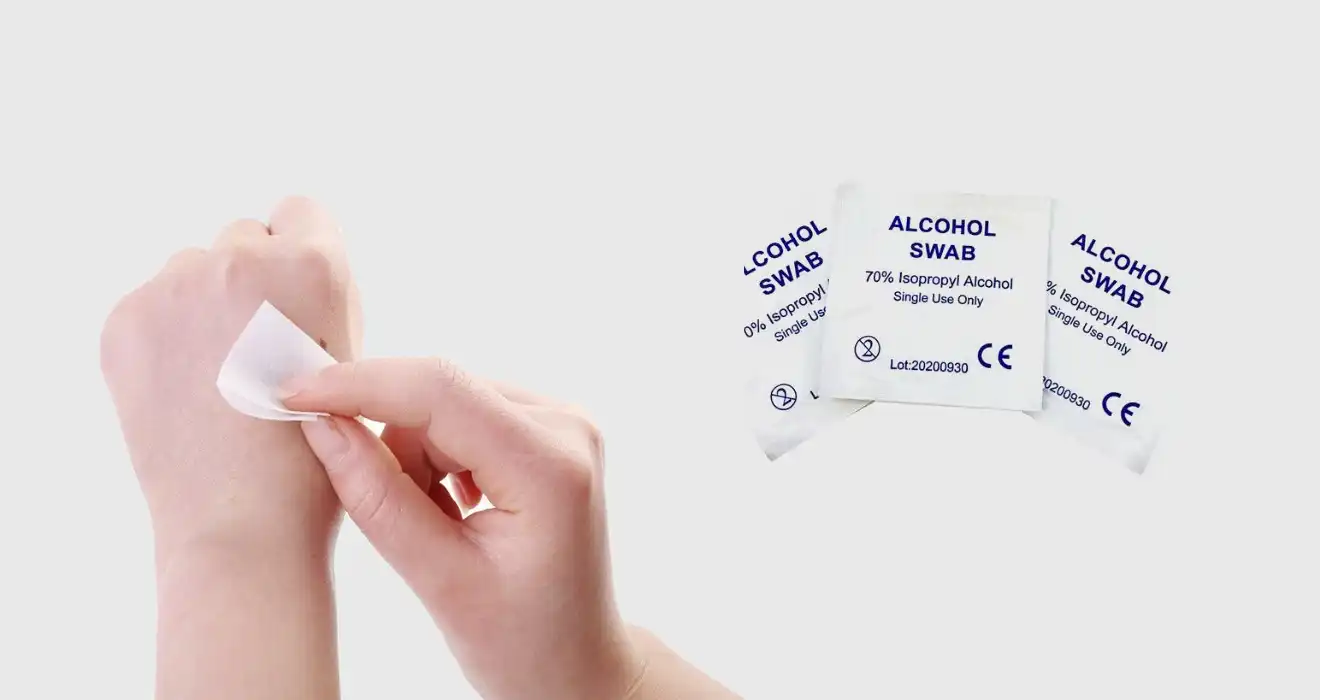
Alcohol swabs are small pads made from soft, absorbent material and pre-soaked in a disinfecting solution, typically isopropyl alcohol. They are individually packaged to maintain sterility and are designed for quick, convenient cleaning when water and soap are not available. Their fast-evaporating formula leaves surfaces dry and free from residue, making them suitable for both medical and everyday use. From preparing skin before an injection to wiping down frequently touched objects, alcohol swabs provide an efficient way to maintain hygiene. Their compact size and ease of use make them practical for homes, workplaces, travel, and other situations where maintaining cleanliness is essential.
What are the common applications of alcohol swabs?
- Pre-injection skin preparation
Alcohol swabs are widely used to disinfect the skin before administering injections, reducing the risk of contamination and ensuring a sterile procedure. - Wound cleaning
They are effective for cleaning minor cuts, scrapes, and abrasions, helping remove dirt and bacteria before applying a bandage. - Nail and beauty care
In manicure and pedicure routines, alcohol swabs remove oils and residue from nails, allowing better adhesion for polish or extensions. - Electronics cleaning
Their quick-drying alcohol solution makes them suitable for cleaning screens, keyboards, and devices without leaving streaks or moisture. - Soothing insect bites
Alcohol swabs can provide quick relief from itching by disinfecting and cooling the skin after insect bites. - Hand sanitization while traveling
They offer a portable hygiene solution for disinfecting hands in public spaces where soap and water are unavailable. - Sterilizing medical tools
In laboratory and clinical settings, alcohol swabs help clean small instruments like thermometers and needles before use. - First aid preparation
They are useful for cleaning the skin before applying adhesive bandages or dressings during first aid treatments. - Surface disinfection in food preparation
In kitchens, alcohol swabs can be used to quickly sanitize small food-contact surfaces before handling ingredients. - Personal hygiene refresh
They offer a quick way to freshen up by wiping away sweat, dust, or grime from the skin when on the move.
Why are alcohol swabs important?
- Helps prevent the spread of germs
Alcohol swabs are effective in reducing contamination by disinfecting surfaces, skin, and small objects, lowering the risk of transmitting harmful microorganisms. - Convenient for quick cleaning
Their fast-drying nature makes them ideal for immediate spot cleaning without the need for water, providing a simple hygiene solution anywhere. - Portable and easy to store
Compact packaging allows alcohol swabs to be carried in pockets, bags, or first aid kits, ensuring instant access whenever hygiene is needed. - Useful for skin preparation
Before medical procedures or first aid, alcohol swabs clean the skin, creating a sterile area for treatment or application of dressings. - Supports personal care routines
They can be used for small skincare needs, such as cleaning oily skin patches or removing impurities before applying cosmetics. - Multi-purpose cleaning tool
Beyond medical use, alcohol swabs are suitable for cleaning items like eyeglasses, electronics, and tools where residue-free sanitation is important. - Aids in minor wound care
For cuts, grazes, or insect bites, alcohol swabs disinfect the affected area, helping to prevent infections during the healing process. - Cost-effective hygiene solution
Available in packs that can last through multiple uses, alcohol swabs offer an affordable way to maintain cleanliness regularly. - Handy for travel and outdoor use
Whether on public transport or in remote areas, alcohol swabs provide quick hygiene support when soap and water are unavailable. - Maintains hygiene in shared spaces
They are effective for sanitizing high-touch areas like handles, buttons, and work surfaces, ensuring a cleaner environment for everyone.
What is the right way to use alcohol swabs?
- Check the packaging before use
Always inspect the packet to ensure it is sealed and undamaged, as broken packaging may compromise the sterility of the swab. - Clean using the correct motion
When disinfecting skin, wipe in a circular pattern starting from the center and moving outward to cover the area thoroughly. - Allow the area to dry naturally
Let the alcohol evaporate completely before proceeding, as this ensures maximum effectiveness in killing germs. - Dispose of swabs after single use
Used swabs should be discarded immediately to prevent cross-contamination or accidental reuse. - Cover the surface evenly
When cleaning objects or equipment, wipe the entire surface to ensure no spots are missed during disinfection. - Avoid contact with sensitive areas
Alcohol swabs should not be used on the eyes, open wounds beyond minor cuts, or irritated skin to prevent discomfort. - Store in a cool, dry place
Keeping alcohol swabs away from direct sunlight and excessive heat helps maintain their potency and shelf life. - Use a fresh swab each time
A new, unopened swab should be used for every cleaning task to maintain hygiene and effectiveness. - Combine with other hygiene practices
For best results, use alcohol swabs along with regular hand washing or sanitizing routines. - Check the expiration date
Expired swabs may lose their disinfecting ability, so always verify the date before using them.
Conclusion
Alcohol swabs remain a practical and reliable solution for quick, effective hygiene in a wide range of settings. Their compact size, ease of use, and fast-drying properties make them ideal for disinfecting skin, cleaning small surfaces, or preparing medical equipment. Whether it’s alcohol wipes for nails in beauty care, alcohol swabs for injections in healthcare, or alcohol cotton swabs for on-the-go cleanliness, their role in preventing contamination is significant. By combining convenience with efficiency, they provide a trusted layer of protection in daily routines. For those looking to keep a ready supply, options like these alcohol swabs offer dependable quality for consistent hygiene.